
AI for Logistics and Supply Chain Management
Supply chains have always been complicated. But the companies getting ahead right now aren't just using better spreadsheets — they're using AI to see problems before they happen, move faster, and cut waste in ways that weren't possible a few years ago.
Build your first AI Agency with Entro
Start your free trial — no credit card needed. Deploy AI agents that work for you 24/7.
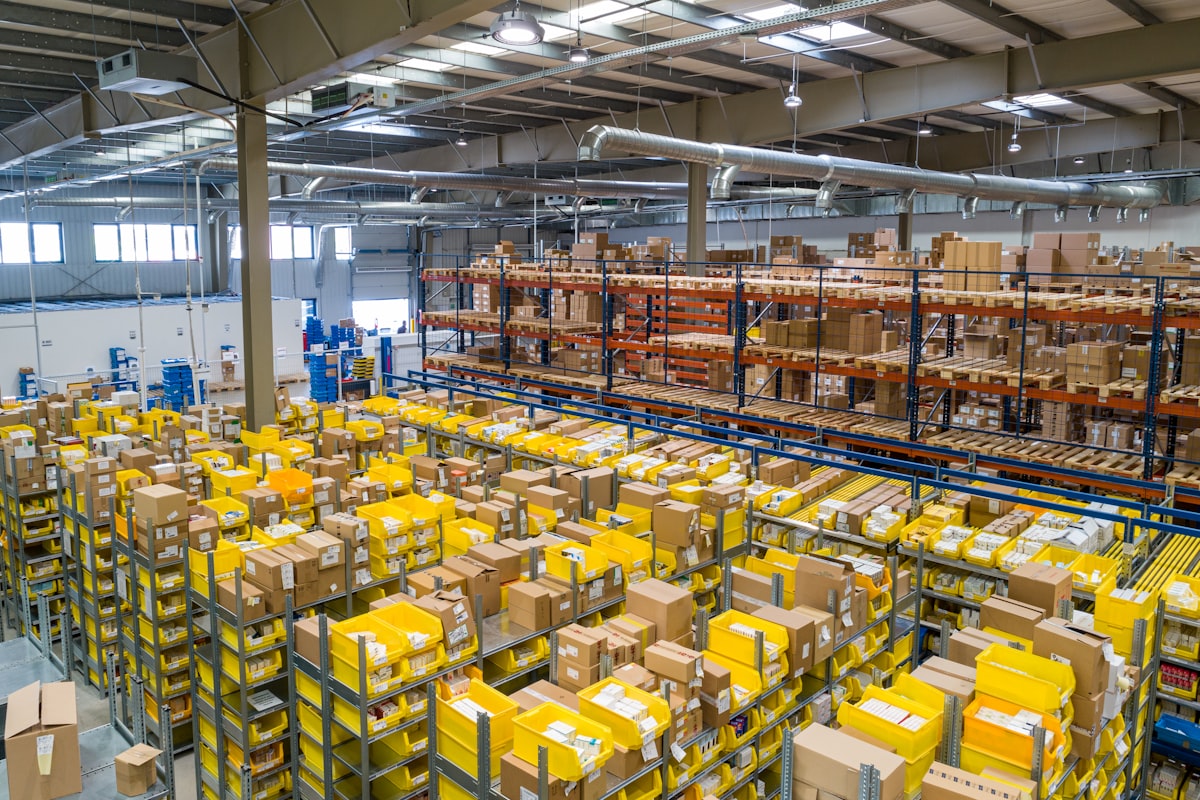
I was talking to a warehouse operations manager last year who told me something I haven't forgotten. He said: "We used to find out about a supplier problem when it was already too late to do anything about it." A port delay in Southeast Asia would ripple through his inventory for weeks before anyone at headquarters even knew what was happening.
That's the supply chain problem in a nutshell. Not that things go wrong — they always will — but that you find out too late to respond.
What's changed recently is that AI is starting to shift that window. Instead of reacting to problems after they've already cost money, logistics teams can spot patterns earlier, route shipments more intelligently, and manage inventory without the constant guessing game. It's not magic. But it is genuinely useful in a way that's worth paying attention to.

What Supply Chain Managers Are Actually Dealing With
Before talking about what AI does, it helps to be honest about the problems it's solving. Supply chain management has always involved managing a lot of moving pieces with incomplete information.
You're trying to forecast demand based on historical data that might not reflect current conditions. You're coordinating with suppliers who have their own constraints and communication styles. You're managing inventory across multiple locations and trying to avoid both stockouts and excess stock sitting in warehouses eating into margins. And you're doing all of this while transport costs fluctuate, lead times vary, and customer expectations keep shifting.
Most of the traditional tools help you track what's already happened. Spreadsheets, ERP systems, dashboards — they tell you where things are. What they don't do well is tell you what's likely to happen next or help you figure out the best response when something goes sideways.
That's where AI starts to add real value.
Demand Forecasting That Actually Works
One of the most practical places AI shows up in supply chains is demand forecasting. Traditional forecasting relies on looking at past sales patterns and applying some adjustments. It works reasonably well in stable conditions. It breaks down when conditions change — and conditions are always changing.
AI forecasting tools can pull in a much wider range of signals: web search trends, weather patterns, social media activity, economic indicators, even local events that might affect demand in specific regions. A retailer I spoke with described noticing that their AI forecast picked up on an unusual spike in demand for a product category three weeks before their sales team even registered it. That three-week lead time meant they could actually do something about inventory instead of scrambling to restock after the fact.
The accuracy improvement isn't always dramatic. But even modest gains in forecast accuracy compound across a large SKU catalog and multiple locations. Less excess inventory, fewer stockouts — the kind of improvements that show up in margin improvements over time rather than in a single headline number.

Smarter Route Optimization
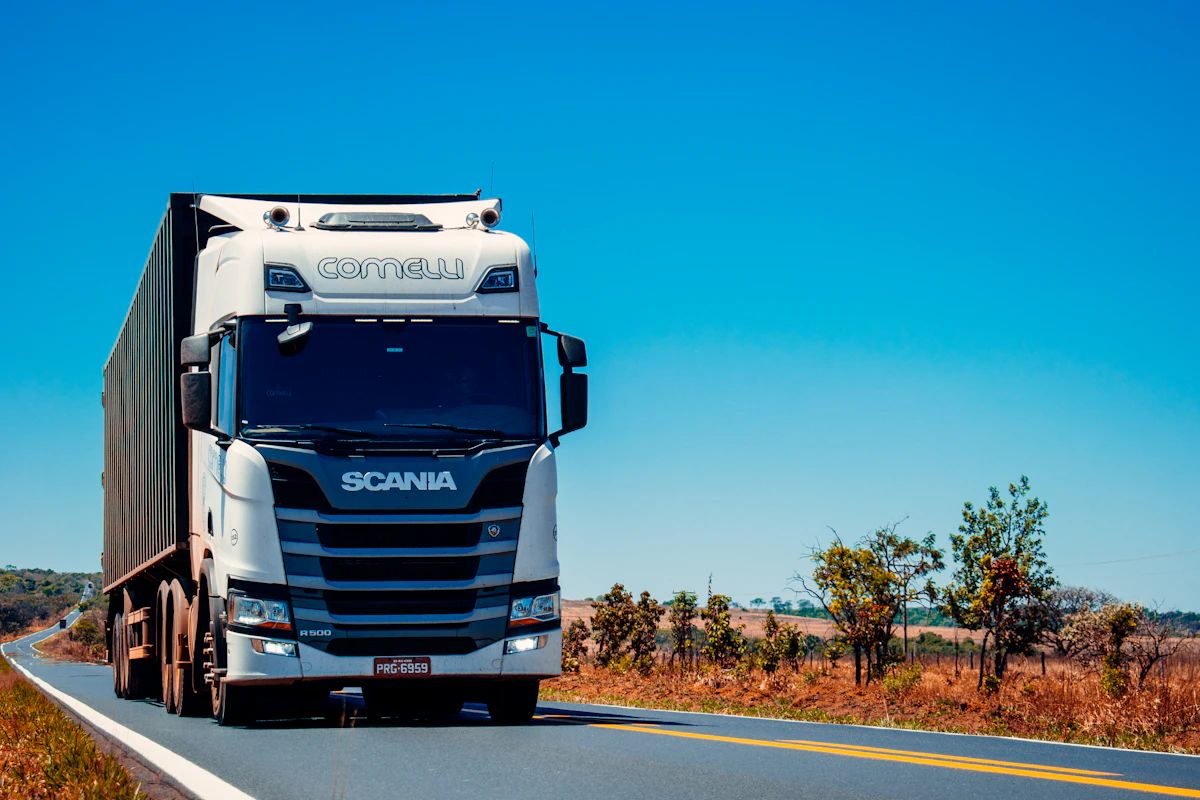
Logistics routing is one of those problems that sounds simple but gets complicated fast. You've got drivers, vehicles, delivery windows, traffic, fuel costs, and customer locations — and the optimal route changes based on all of those factors in real time.
AI route optimization tools handle this much better than manual planning or older software. They can factor in live traffic data, adjust when something changes mid-route, and over time learn patterns that humans would miss — like which delivery windows consistently lead to delays or which routes have hidden inefficiencies.
For a medium-sized distribution company, this can translate into meaningful fuel savings and more deliveries per driver per day. It's not a one-time win — it compounds as the system learns from each run.
What I find interesting is how this plays out for last-mile delivery specifically. Getting goods from a regional distribution hub to individual addresses is where costs really pile up. AI helps by clustering deliveries more intelligently and adapting quickly when a stop is missed or a window changes.
Spotting Supply Chain Disruptions Before They Hit
This is the one that gets people's attention. The idea that you could get early warning about a supplier problem, a port congestion issue, or a geopolitical risk before it actually disrupts your operations — that's genuinely valuable.
AI tools that monitor supply chain risk do this by scanning large amounts of information: news sources, shipping data, weather forecasts, financial health signals for key suppliers. When patterns suggest a problem is developing, the system flags it for review.
It doesn't always get it right. And it doesn't replace the judgment calls that experienced operations people need to make. But it does mean those people are looking at a curated set of potential issues rather than trying to manually monitor a dozen fragmented data sources.
That warehouse manager I mentioned at the start? His team now gets alerts about supplier-region weather events and port congestion before shipments are even scheduled. They're not always actionable, but when they are, having that extra lead time makes a real difference.
Inventory Management Without the Constant Guessing
Inventory is one of the most expensive problems in supply chain management. Too much stock and you're paying for warehouse space, insurance, and working capital tied up in goods that aren't moving. Too little and you're losing sales and scrambling to expedite shipments at premium cost.
AI-based inventory tools are good at finding the right balance more consistently than manual approaches. They adjust reorder points automatically based on actual demand patterns, supplier lead times, and current stock levels. They can identify slow-moving items before they become a problem and flag fast movers before you run short.
The more interesting application is across multi-location inventory. Deciding where to hold safety stock, how to redistribute inventory between warehouses, and when to rebalance are all decisions that used to require significant manual analysis. AI can make those recommendations continuously, based on real-time data.
For e-commerce businesses specifically, where customer expectations around delivery speed keep rising, having the right inventory in the right location isn't optional anymore. AI helps make that possible at a scale that would be impractical to manage manually.
What Getting Started Actually Looks Like
The practical reality for most companies is that you don't overhaul your supply chain technology all at once. You start with one problem area where the pain is highest — usually demand forecasting or inventory management — and prove value there before expanding.
Most modern AI supply chain tools don't require a full ERP replacement. They sit alongside what you already have and pull data from it. The integration work varies, but it's often less painful than people expect.
The bigger challenge, in my experience watching companies go through this, is the data quality issue. AI is only as good as the data you feed it. If your historical inventory data is incomplete or inconsistent, you'll need to address that first. The good news is that cleaning up data for an AI project often surfaces problems that were quietly causing issues anyway.

The Human Side of This
It's worth being direct about something: AI in supply chain management doesn't make logistics people redundant. What it does is change what their day looks like.
Instead of spending hours pulling reports and manually analyzing trends, supply chain teams can focus on the decisions that actually require judgment — responding to unusual situations, managing supplier relationships, making strategic calls about where to invest in resilience. The routine analysis gets handled automatically. The humans handle the things that are genuinely hard to automate.
The operations teams I've seen adopt these tools tend to find them genuinely useful once they're running. The transition period — getting data clean, learning to trust the recommendations, figuring out when to override — takes time. But the teams that get through that period usually don't want to go back.
Where This Is Heading
Supply chain AI isn't new. Large companies have been investing in it for years. What's changed is that the tools have become accessible to mid-size companies and even smaller logistics operations. You don't need a team of data scientists anymore to get meaningful value from AI-based forecasting or inventory optimization.
The companies building advantages right now are the ones treating supply chain AI as an ongoing capability rather than a one-time project. They're investing in data quality, training their teams to work with AI recommendations, and iterating as the tools improve.
For the warehouse manager I started with, the shift was real but gradual. More visibility, fewer surprises, better decisions on inventory positioning. Not a complete overhaul of how things work — but a meaningful improvement in the information he has to work with.
That's what good supply chain AI does. It doesn't eliminate the complexity. It helps you navigate it with better information, earlier warning, and less manual work spent on things that don't really need a human making the call.
Want to see how AI agents can help streamline your business operations?
Entro builds AI assistants trained on your business data — from inventory logic to supplier processes. Learn how it works →

Written by
Mahdi Rasti
I'm a tech writer with over 10 years of experience covering the latest in innovation, gadgets, and digital trends. When not writing, you'll find them testing the newest tech.
Frequently Asked Questions
What is AI supply chain management?
AI supply chain management uses artificial intelligence to improve forecasting, routing, inventory decisions, and risk monitoring across logistics and supply chain operations. Instead of relying on manual analysis and historical reports, AI tools process large amounts of data continuously to surface insights and recommendations that help teams make better decisions faster.
How does AI help with demand forecasting in supply chains?
AI forecasting tools pull in a broader range of signals than traditional methods — web trends, weather, economic data, and market signals — to predict demand more accurately. This helps companies hold the right amount of inventory, reduce stockouts, and avoid excess stock sitting in warehouses. Even modest accuracy improvements across a large product catalog can have a meaningful impact on costs.
Can small and mid-size logistics companies benefit from AI?
Yes. While large enterprises were early adopters, AI supply chain tools have become much more accessible to smaller operations. Many modern tools integrate with existing systems without requiring a full technology overhaul, and some offer pricing models that work for smaller volumes. The key is starting with one high-pain area rather than trying to change everything at once.
What data do you need to use AI for supply chain optimization?
The most important data includes historical sales or demand data, inventory records, supplier lead times, and shipping data. The quality matters more than the quantity — AI tools work best when the underlying data is clean and consistent. Many companies find that preparing data for AI also surfaces existing data quality issues worth fixing regardless.
Does AI replace supply chain managers and logistics staff?
Not in practice. AI handles the routine analysis — report generation, reorder recommendations, route calculations — which frees up supply chain professionals to focus on judgment-intensive work: managing supplier relationships, responding to unusual disruptions, and making strategic decisions. The role changes rather than disappears.
How long does it take to implement AI in a supply chain?
It depends heavily on data readiness and scope. A focused deployment — like AI-based demand forecasting for one product category — can be up and running in a matter of weeks. A broader rollout across multiple functions and locations typically takes several months. Most teams see meaningful results within the first few months of a focused implementation before deciding whether to expand.
Build your first AI Agency
Create powerful AI agents that automate your workflows, manage content, and handle tasks around the clock.
No credit card needed · Cancel anytime