Blog
Insights & guides
Tips on app marketing, landing page optimization, and growing your downloads.
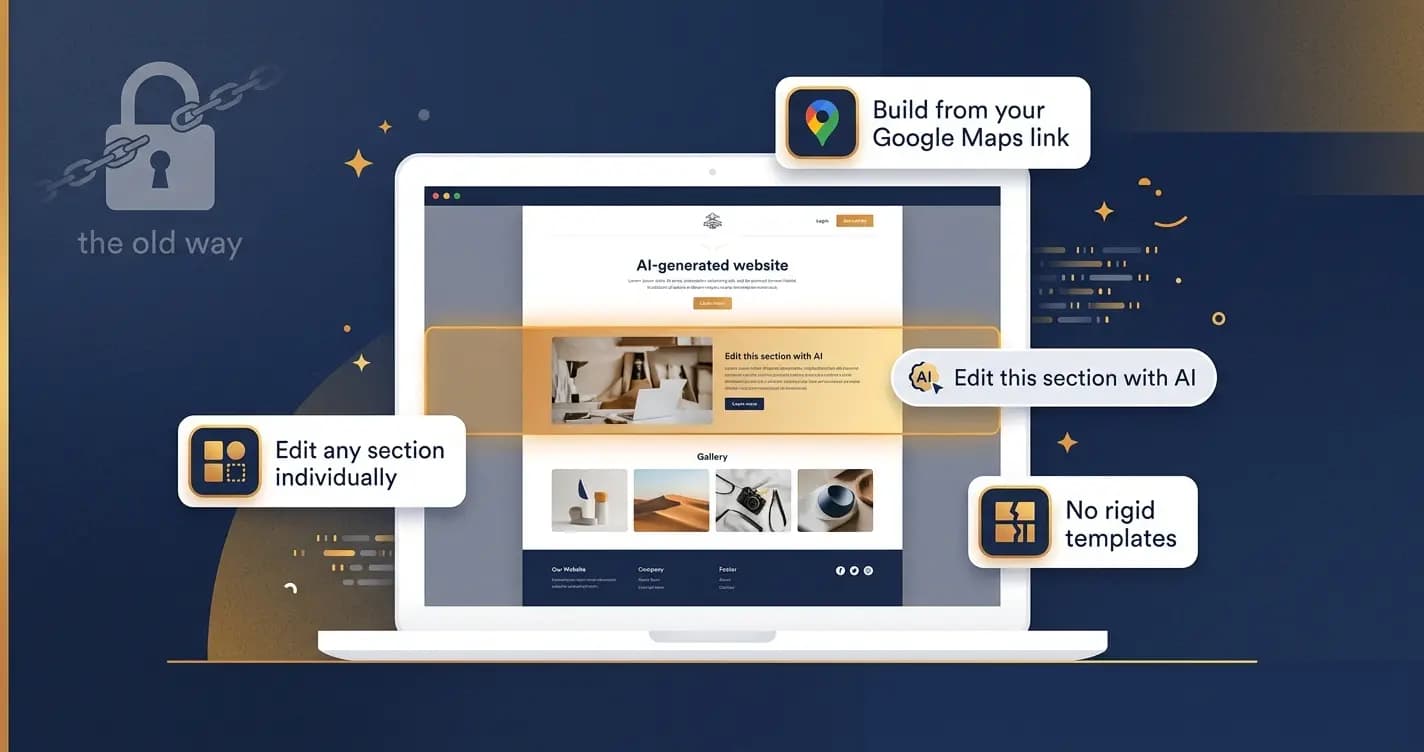
7 Best Durable Alternatives in 2026 (Ranked by Editing Control)
Durable is genuinely good at one thing: getting a website live in about 30 seconds. The problem shows up on day two, when you try to change something. Reviewers who tested it in 2026 describe it the same way: you can edit text, colours, and swap sections, but you cannot freely reposition elements or build custom layouts, and most sites end up looking similar.
 Cyrus
Cyrus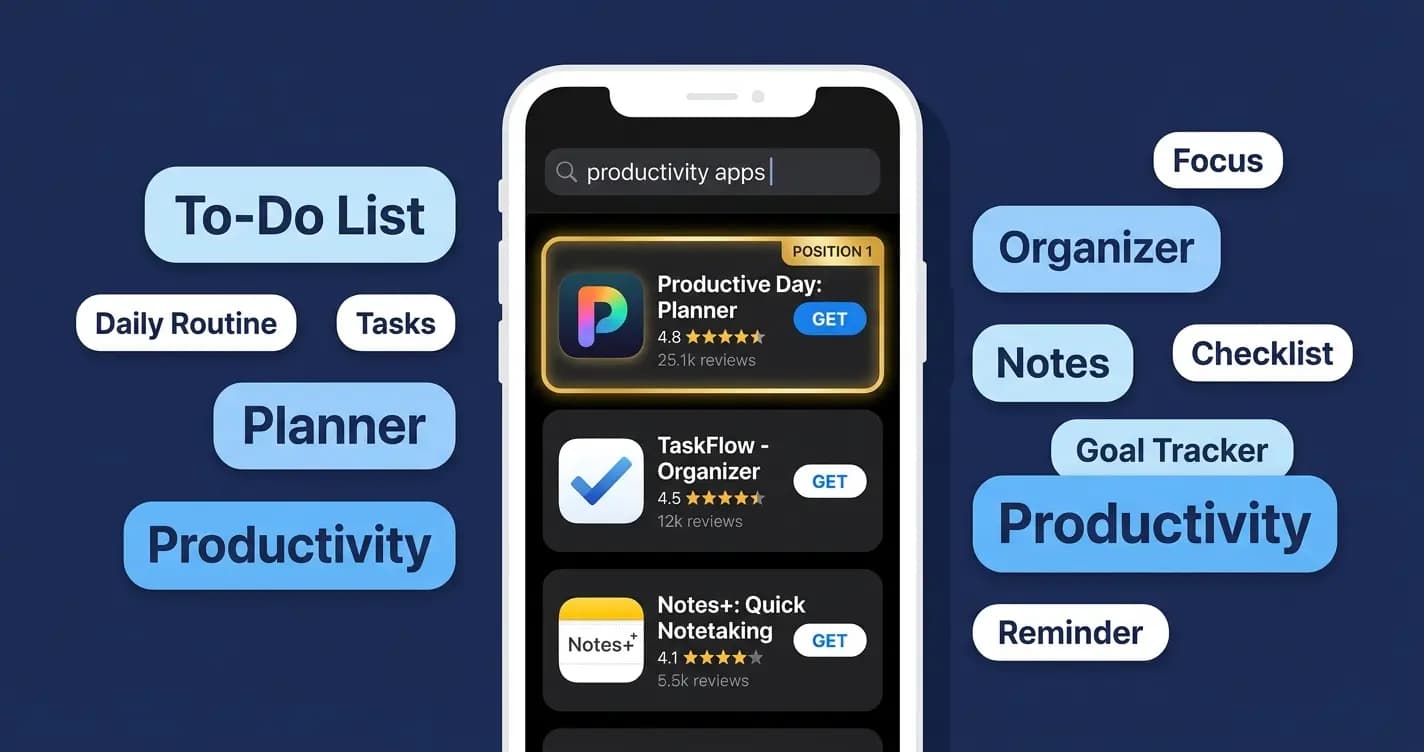
App Store Keyword Research: The 7-Step Process That Actually Moves Rankings in 2026
I launched my first app with the keyword field filled in about 20 minutes before submission. I typed what I thought people would search for, separated them with commas, and shipped it. Six weeks later the app had 340 downloads. The keyword field had 18 words in it and we were ranking for none of them above position 30. The terms were either too competitive, too irrelevant, or too vague.
Cyrus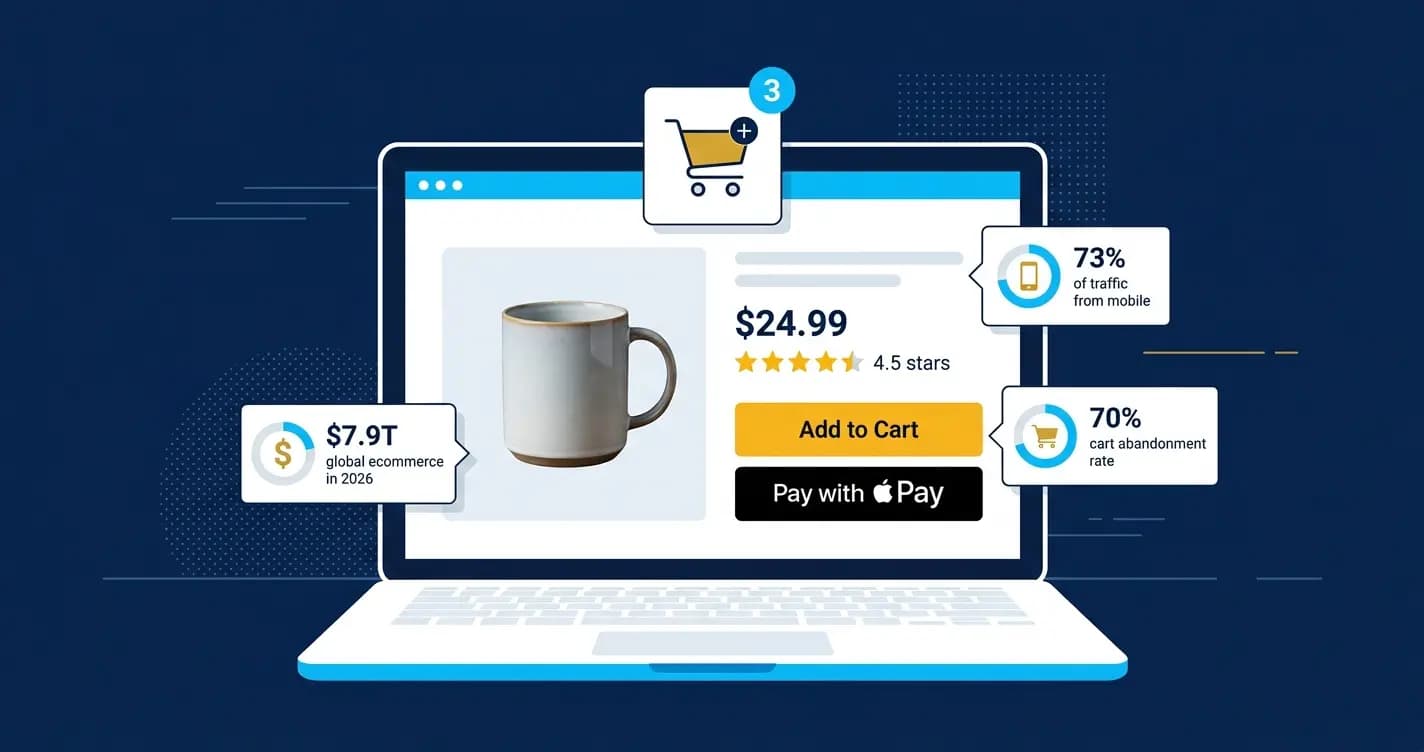
7 Best Website Builders for Ecommerce in 2026 (Ranked by What Actually Sells)
I helped migrate an online store once. We started on a general website builder because the monthly cost was lower and we were not sure the store would take off. When it did, we hit the product limit. Then the order volume limit. Then the payment gateway restrictions that meant we were paying 2.5% in transaction fees on every sale on top of payment processing fees.
Cyrus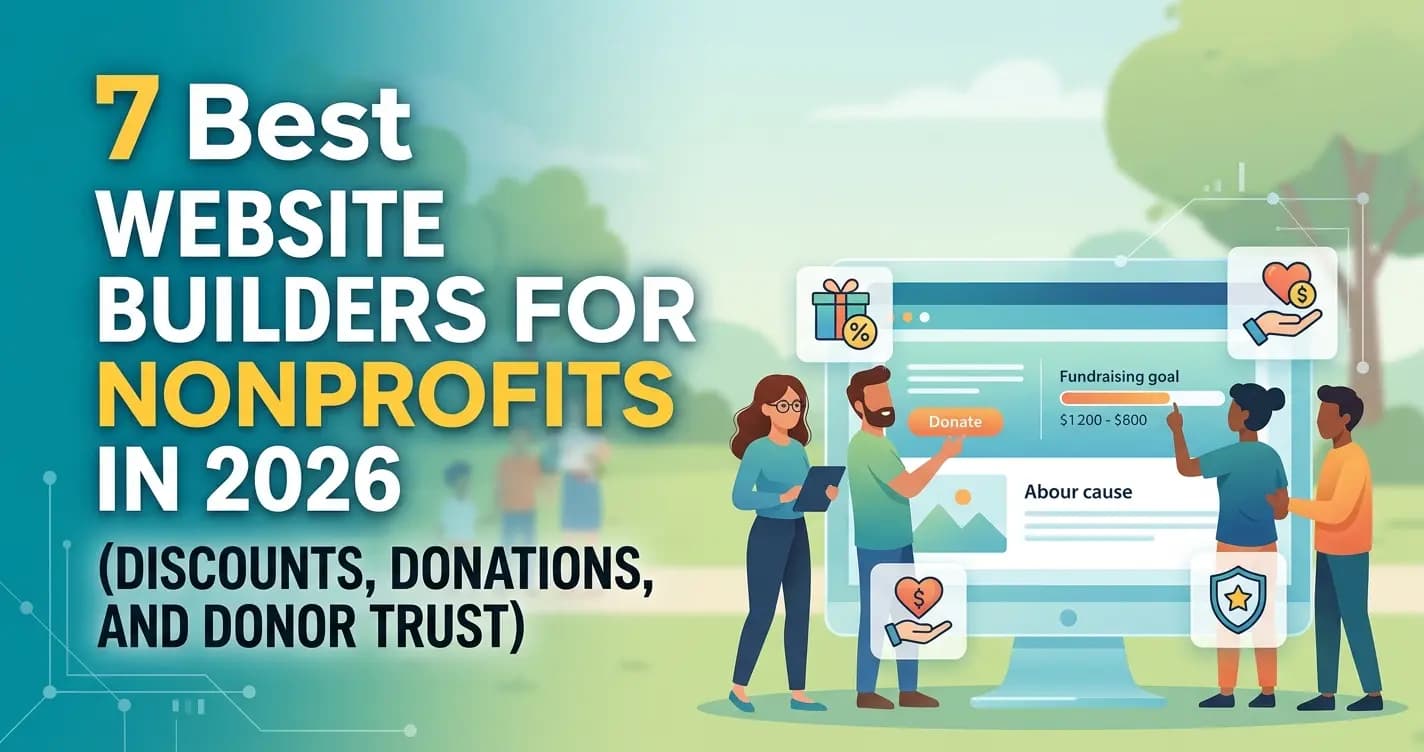
7 Best Website Builders for Nonprofits in 2026 (Discounts, Donations, and Donor Trust)
A development director I know had one rule about the organisation's website: every donation form had to be completable in under 90 seconds. Every donor-facing page had to load in under 2.5 seconds on a phone. Every impact story had to include a specific number.
Cyrus
7 Best Website Builders for Churches in 2026 (Sermons, Giving, and Local Search)
The administrator at a mid-sized church I know spent six months trying to update their website. Every change, every new sermon, every updated service time required a phone call to the original developer at $75 an hour.
Cyrus
7 Best Website Builders for Authors and Writers in 2026 (Ranked Honestly)
A novelist friend asked me to look at her website two years ago. Two published books, a third under contract, a podcast appearance every couple of months, and a site that had not changed since her debut. It had her bio, her book covers, and a contact form. What it did not have was any way for a reader who found her to stay connected.
Cyrus
7 Best Website Builders for a Portfolio Site in 2026 (All Professions)
The best portfolio website I ever came across was three pages long. A homepage with six work samples in a grid. An about page with a headshot and two paragraphs. A contact page with a form and an email address. Its owner was getting consistent inbound from new clients who found it through Google and through referrals where someone had said "go look at their work before you call."
Cyrus
7 Best Website Builders for Real Estate Agents in 2026 (IDX, Lead Gen, and CRM Ranked)
An agent I know spent $800 on a new website and got zero leads from it in six months. Good-looking site. Professional headshot, clean layout, contact form. No IDX. Without IDX, her site showed 4 listings. Zillow showed 400. She was not competing. She was invisible.
Cyrus
Top 7 Best Website Builders for Designers in 2026
A side-by-side comparison of Webflow, Framer, Squarespace, Wix Studio, and more to help designers pick the right portfolio builder in 2026.
Cyrus