
How to Use AI for Proposal and Contract Writing
Writing proposals and contracts used to eat hours. Here's how AI can help you produce polished, professional documents faster - without losing the personal touch that wins deals.

Build your first AI Agency with Entro
Start your free trial — no credit card needed. Deploy AI agents that work for you 24/7.
Last year, I spent four hours writing a proposal for a potential client. I pulled from past projects, rewrote the scope three times, wrestled with the pricing section, and generally did the kind of slow, grinding work that doesn't actually require skill - it just requires time. We won the contract. But when I looked back at those four hours, I realized how much of that time was wasted on formatting and boilerplate rather than the thinking that actually mattered.
That's the moment I started taking AI seriously for this kind of work. Not as a shortcut to something sloppy, but as a way to get the structural and repetitive work done faster so I could put my energy into the parts that actually win deals.
If you send proposals regularly — or if your team handles contracts, RFPs, or service agreements - AI can make a real difference to how long this takes and how consistently good the output is.

Proposals and contracts are often the bottleneck between winning work and starting it. AI can help clear that backlog.
Why Proposals Take So Long (And Where AI Actually Helps)
There's a reason proposal writing feels harder than it should. Every proposal has a unique client, unique needs, and a unique context — so you can't just copy-paste from the last one without it feeling stale. But at the same time, 70% of every proposal is the same: the company overview, the process section, the terms, the payment schedule structure. That tension between customization and repetition is exactly where AI does well.
AI is good at the skeleton. Given enough context about what you're proposing and who you're proposing to, it can draft an executive summary, lay out a scope of work, write up standard terms, and structure pricing sections. What it can't do - at least not without your input - is add the specific insight, the client reference, the line that shows you actually listened during the discovery call. That's what you add. And when the structure is already there, adding those touches takes minutes instead of hours.
Contracts work a bit differently. Here the value of AI tends to show up in two places: drafting from a template and reviewing documents you've received. Both are genuinely time-consuming tasks that AI handles well.
How to Draft a Proposal With AI
The biggest mistake people make when using AI for proposals is asking it to "write a proposal for a marketing project" and expecting something useful. That kind of vague prompt produces exactly what you'd expect: a vague, generic document that sounds like it could apply to anyone.
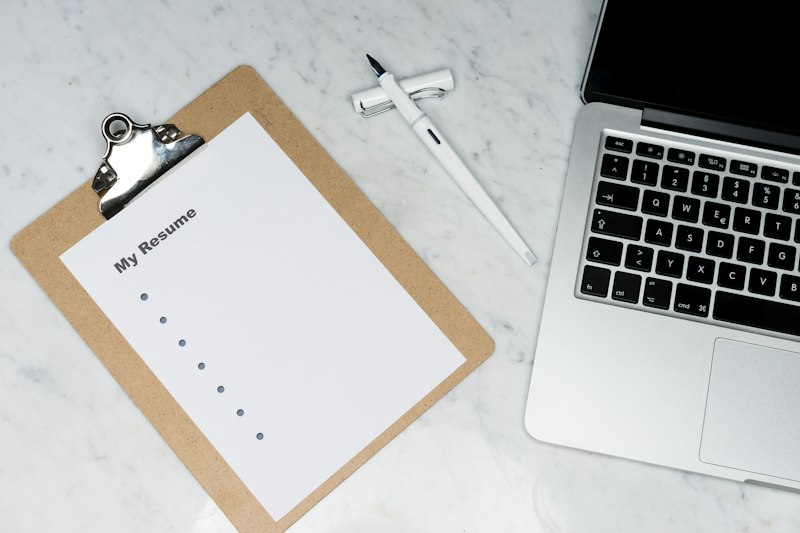
The more context you give AI before drafting, the more specific and convincing the result.
The better approach is to give the AI a proper brief before asking it to write anything. Treat it like briefing a talented assistant who's never met your client. That brief should include:
The client's name and what they actually do
The specific problem they're trying to solve
What you're proposing to do about it, and roughly how
The timeline and key milestones
Pricing or a pricing structure
Any specific requirements or concerns they've raised
If you have the RFP or a brief they sent over, paste that in too. The more raw material you give, the better the draft will be.
From there, the AI can produce a working first draft in a few minutes. It won't be perfect - there'll be sections that feel a bit generic, wording you'll want to adjust, maybe a pricing table that needs reformatting. But you're now editing a draft rather than building from nothing, and that shift in starting position changes everything about how long the whole thing takes.
One tip that makes a real difference: keep your best past proposals somewhere accessible. Over time, you can feed these to your AI assistant as examples of how your proposals are structured and how your company talks about its work. Once the AI has seen a few real examples, its drafts start to sound a lot more like you.
Using AI for Contract Drafting
Contracts feel more intimidating than proposals, partly because the stakes feel higher. Getting the wording wrong in a service agreement isn't just embarrassing - it can create real problems down the line.
That said, a lot of contract work is genuinely routine. Standard service agreements, NDAs, freelance contracts, consulting agreements - these follow familiar patterns and use well-established clause structures. AI handles this kind of drafting quite well, especially when you're working from a template or have examples to reference.

For standard agreements, AI can produce solid first drafts quickly - leaving more time for the clauses that actually need careful thought.
Where it works best: you describe what the contract needs to cover, give it the specifics (parties, scope, payment terms, duration, termination conditions), and ask it to produce a draft. For common agreement types, the output is often surprisingly solid. It'll include the clauses you'd expect, use appropriate legal language for the standard sections, and give you a document you can actually work from.
Where you need to be careful: anything involving significant financial risk, complex IP arrangements, jurisdiction-specific requirements, or clauses that could seriously affect your liability. AI doesn't know your jurisdiction's quirks, and it can miss nuances that matter. Use AI to get to a working draft, then get a lawyer to look at anything important before it's signed. Most legal reviews of an AI draft take much less time than drafting from scratch - which is where a lot of the real time savings show up.
Contract Review: One of the Best Uses of AI in This Space
If you've ever had to review a 30-page contract from a client or vendor, you know how tedious that gets. AI is genuinely good at this, and it's one of the use cases where the time savings are hardest to argue with.
Paste the contract in, and you can ask the AI to flag anything that looks unusual, identify clauses that might create risk, summarize the key terms in plain language, or point out sections that are missing from what you'd normally expect. It's not going to replace a legal review for high-stakes agreements. But for routine contracts, it can tell you in a few minutes whether something is roughly standard or whether there are specific areas worth pushing back on.
Sales teams and account managers often use AI this way when they receive vendor agreements - not to make final legal calls, but to get a quick read on whether the document looks reasonable before looping in legal or leadership. That alone can save a lot of back-and-forth.
Making AI Work for Your Specific Business
The businesses that get the most out of AI for proposals and contracts are the ones that give it enough context about how they work. A general AI assistant can produce a decent generic draft. An AI assistant that knows your service packages, your standard pricing, your typical scope of work, and your preferred contract language can produce something much closer to ready-to-send.

Teams that train their AI on existing documents and templates get dramatically better results than those using generic prompts.
The practical way to do this: upload your three or four best past proposals, your standard contract template, and a summary of what your business does and how you price it. Keep this in a knowledge base your AI can reference whenever you start a new document. The quality difference between a cold-start AI and one that knows your business is significant - and it compounds over time as you add more examples.
Some teams also build a simple library of "approved" clause language - their standard payment terms, liability caps, IP assignment wording - that the AI pulls from when drafting contracts. This keeps things consistent across documents and avoids the situation where someone on the team inadvertently agrees to something your company wouldn't usually accept.
A Practical Place to Start
If you want to try this without overhauling anything, start with your next proposal. Before you open your usual template or blank document, spend five minutes writing a brief - client name, their problem, what you're proposing, key details. Paste that into an AI assistant and ask it to draft a proposal. Then spend your time editing and personalizing rather than building from scratch.
Most people who try this find the first draft handles 60-70% of the work. Once you've done it a few times, you'll have a feel for how to brief it better, and the quality improves quickly.
If you're looking for an AI assistant that can be trained on your specific proposals, contracts, and business knowledge - so it produces documents that actually sound like your company - Entro is built exactly for that. You can upload your templates and past work, give it your brand voice, and have it ready to draft the next proposal in a fraction of the usual time. Worth trying.

Written by
Mahdi Rasti
I'm a tech writer with over 10 years of experience covering the latest in innovation, gadgets, and digital trends. When not writing, you'll find them testing the newest tech.
Frequently Asked Questions
Can AI write a full proposal for me?
AI can draft the structure, sections, and much of the content of a proposal based on the context you give it. Think of it as a very capable first-draft writer — it can lay out the executive summary, scope of work, timeline, and pricing sections quickly. You'll still want to review, personalize, and make sure every number and commitment is accurate before sending, but the heavy lifting of getting from blank page to working draft becomes much faster.
Is AI-generated contract language legally binding?
AI-generated contract language can be legally valid, but it's not a substitute for legal review — especially for complex or high-stakes agreements. AI is very good at drafting standard clauses and common contract structures, but contract law varies by jurisdiction, and subtle wording issues can have significant consequences. Use AI to speed up drafting, then have a lawyer review anything critical before signing.
What information does AI need to write a good proposal?
The more context you give it, the better. At minimum: the client's name and what they need, what your company offers, scope of work, timeline, and pricing. Adding background on the client's industry, the problem they're trying to solve, and any specific requirements they mentioned will help the AI write something that feels tailored rather than generic. Paste in the RFP or brief if you have one.
How do I make AI-written proposals sound less generic?
The key is providing specific details upfront rather than asking the AI to fill in the blanks. Include real names, specific pain points the client mentioned, concrete deliverables, and your own company's particular approach. Then review the draft and add one or two personal touches — a specific reference to something from a discovery call, a relevant case study, or a line that reflects how you actually talk to clients.
Can AI help with contract redlining and negotiation?
Yes. AI tools can review a contract, identify clauses that are unusual or potentially risky, suggest alternative language, and help you prepare for negotiation. Some platforms are specifically built for contract analysis and can flag liability clauses, unfavorable payment terms, or missing standard protections. This is one of the most practical uses of AI for legal and commercial teams.
Which AI tools are best for proposal and contract writing?
General-purpose AI assistants work well for drafting proposals when given enough context. For contract-specific work, dedicated platforms exist that understand legal language and common clause structures. For businesses that send proposals regularly, an AI assistant trained on your own past proposals and templates will produce much better results than a generic tool, since it already understands your style, pricing, and typical scope of work.
Build your first AI Agency
Create powerful AI agents that automate your workflows, manage content, and handle tasks around the clock.
No credit card needed · Cancel anytime