
AI Tools for E-Commerce: Boost Sales with Automation
Running an online store in 2026 means competing against people who have already automated the repetitive stuff. Here is what is actually working.

Build your first AI Agency with Entro
Start your free trial — no credit card needed. Deploy AI agents that work for you 24/7.
A friend of mine runs a mid-sized outdoor gear store. About two years ago she was doing everything manually — writing product descriptions one by one, answering the same customer questions over and over, trying to figure out which products to restock and when. She was good at it. She was also exhausted.
She started testing AI tools slowly, starting with just customer support. Six months later, her support response time had dropped from about a day to under ten minutes. She hadn't hired anyone new.
That's the pattern I keep seeing. E-commerce is a space where AI has moved from hype to genuinely useful faster than most industries. The sheer volume of repetitive tasks — product descriptions, customer questions, inventory decisions, email sequences — makes it a natural fit.
Here's what's actually working in 2026.
Product Descriptions and Content at Scale
If you have more than a few hundred SKUs, writing unique product descriptions manually is basically a full-time job. AI can draft them in seconds. Not always perfectly — you'll still want to review and refine — but as a starting point, it's dramatically faster than starting from scratch for each one.

The better AI tools can also adjust tone based on your brand voice, highlight different features for different customer segments, and optimize descriptions for search without making them sound like keyword stuffing.
Customer Support: The Biggest Time Sink
E-commerce customer questions follow predictable patterns. Where is my order? What is your return policy? Does this come in a different size? Can I change my shipping address?
These questions do not need a human. They need a fast, accurate answer at any hour of the day.
AI chatbots in 2026 handle these well. The better ones connect to your order management system, look up the customer specific order, and give a real answer. Your order shipped on Thursday and is expected to arrive Monday beats please allow 5-7 business days every time.

What still needs a human: disputes, unusual situations, anything where a customer is genuinely upset and needs to feel heard. Set up clear escalation rules. The AI handles the volume; your team handles the ones that need real judgment.
Personalization and Product Recommendations
This is one of the areas where e-commerce AI has gotten genuinely impressive. When done well, AI-powered recommendations feel like the store actually knows you.
The mechanics: AI looks at purchase history, browsing behavior, what similar customers bought, seasonal trends, and inventory levels to surface products relevant to each visitor. Platforms like Klaviyo, Nosto, and Dynamic Yield specialize in this. If you are on Shopify, several apps integrate directly and can be running within a day.
Inventory and Demand Forecasting
Overstocking ties up cash. Understocking loses sales. Both happen more than they should when you are relying on gut feel and spreadsheets.
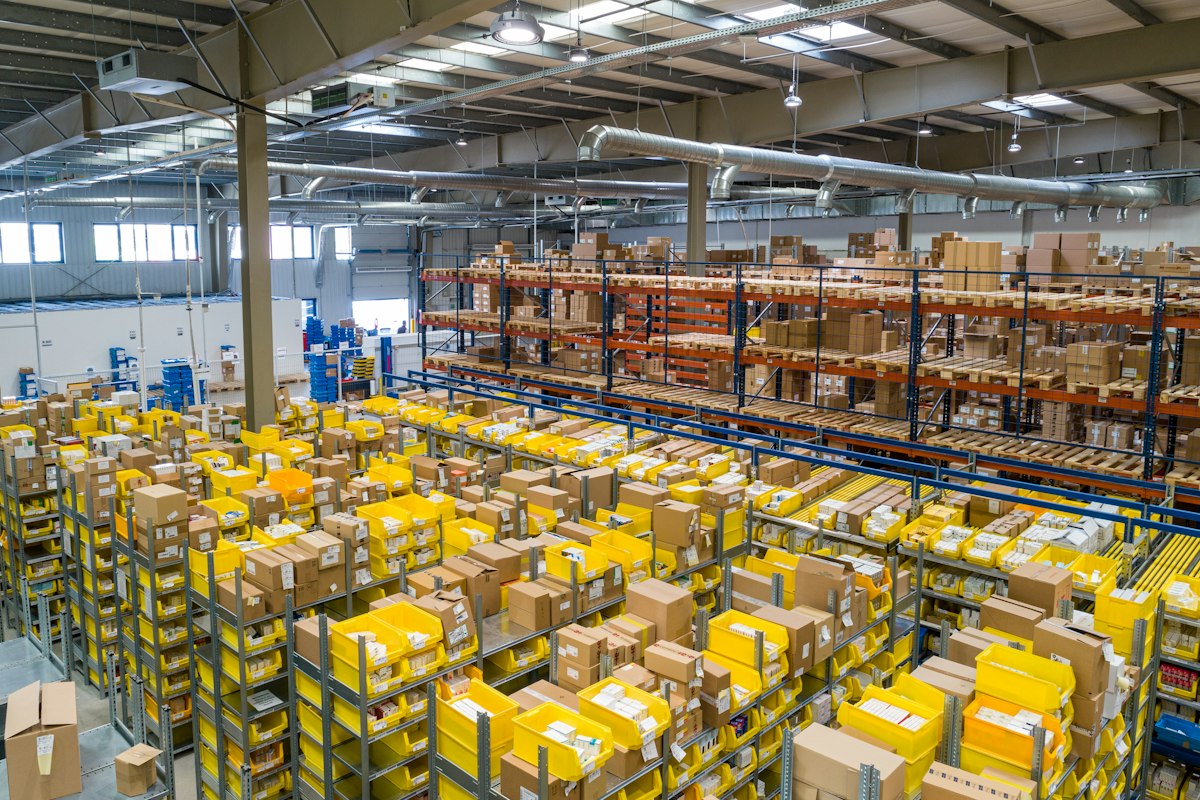
AI demand forecasting looks at your sales history, seasonal patterns, supplier lead times, and external signals to suggest reorder points and quantities. Tools like Inventory Planner and Skubana handle this without needing a data science team.
Email Marketing and Abandoned Cart Recovery
Abandoned cart sequences are table stakes at this point. But AI takes this further — dynamically timing emails based on when each individual customer is most likely to open them, personalizing subject lines, and adjusting the offer based on how many times they have abandoned before.
Klaviyo leads here for most mid-market e-commerce brands. The key is connecting it to your full customer data — not just email engagement, but purchase history, site behavior, and customer lifetime value.
Where to Start
The mistake most stores make is trying to implement everything at once. They buy three tools, nobody gets trained properly, and six months later they are still mostly doing things manually while paying for subscriptions they barely use.

Start with customer support. It is the highest time cost for most small and mid-sized stores, the easiest to automate meaningfully, and the results are visible quickly. Set up a chatbot that handles your top ten question types, connect it to your order data, and measure response time and satisfaction scores.
Once that is running well, add one more thing. Product descriptions if you have catalog depth. Email personalization if you have list size. Demand forecasting if inventory is your main headache.
The stores getting the most out of AI in 2026 did not overhaul everything overnight. They picked the biggest friction point, solved it well, and built from there.

Written by
Mahdi Rasti
I'm a tech writer with over 10 years of experience covering the latest in innovation, gadgets, and digital trends. When not writing, you'll find them testing the newest tech.
Frequently Asked Questions
What AI tools are most useful for e-commerce stores in 2026?
The most practical categories: AI customer support chatbots (Tidio, Gorgias, Intercom), product description generators (Jasper, Shopify AI), email personalization platforms (Klaviyo, Omnisend), demand forecasting tools (Inventory Planner, Skubana), and product recommendation engines (Nosto, Dynamic Yield). Start with whichever category represents your biggest time drain.
Can AI really write good product descriptions?
It can write solid first drafts quickly. For large catalogs, this is a genuine time-saver. The output usually needs a human review to match your brand voice and catch any inaccuracies. The better tools let you feed in brand guidelines and tone examples to improve the starting point.
Will an AI chatbot handle all my customer support?
It handles the high-volume, repetitive questions well: order status, returns, sizing questions, shipping info. Complex disputes, genuinely upset customers, and unusual situations still need a human. Set up clear escalation rules so the AI knows when to hand off.
How does AI improve e-commerce email marketing?
AI personalizes timing, subject lines, and content for each subscriber based on behavior and purchase history. Rather than sending the same email to everyone, it segments dynamically. Abandoned cart, browse abandonment, and win-back sequences benefit the most.
Is AI demand forecasting worth it for smaller stores?
For stores with more than a few dozen SKUs and meaningful sales history, yes. Tools like Inventory Planner are built specifically for smaller e-commerce operations and do not require a technical team. The value shows up in less overstock and fewer stockouts.
Where should an e-commerce store start with AI?
Customer support is usually the best first move: high time cost, clear ROI, visible results quickly. Get one thing working well before adding more. The stores that benefit most from AI in 2026 picked their biggest pain point and solved it properly first.
Build your first AI Agency
Create powerful AI agents that automate your workflows, manage content, and handle tasks around the clock.
No credit card needed · Cancel anytime